HomeStage 3 · Live off what you produceGuide to cooking from scratch: legumes, tortillas and bread
By Global PrepperUpdated 11 official sourcesHow we make the guides
Stage 3 · Guide to cooking from scratch: legumes, tortillas and breadCooking from scratch: beans, tortillas and bread
When what needs no cooking runs out, what you stored is what is left: beans, corn and wheat. Learn to turn it into food, without getting sick, before you depend on it.
- Large red beans: soak them at least 5 hours, discard the water and boil them hard for 10 minutes.
- Salt and acids at the end: they slow down cooking beans.
- Raw flour is not for eating: always cook dough and flour.
- Lime burns: protect your eyes and skin when cooking corn.
Cook beans and lentils safely
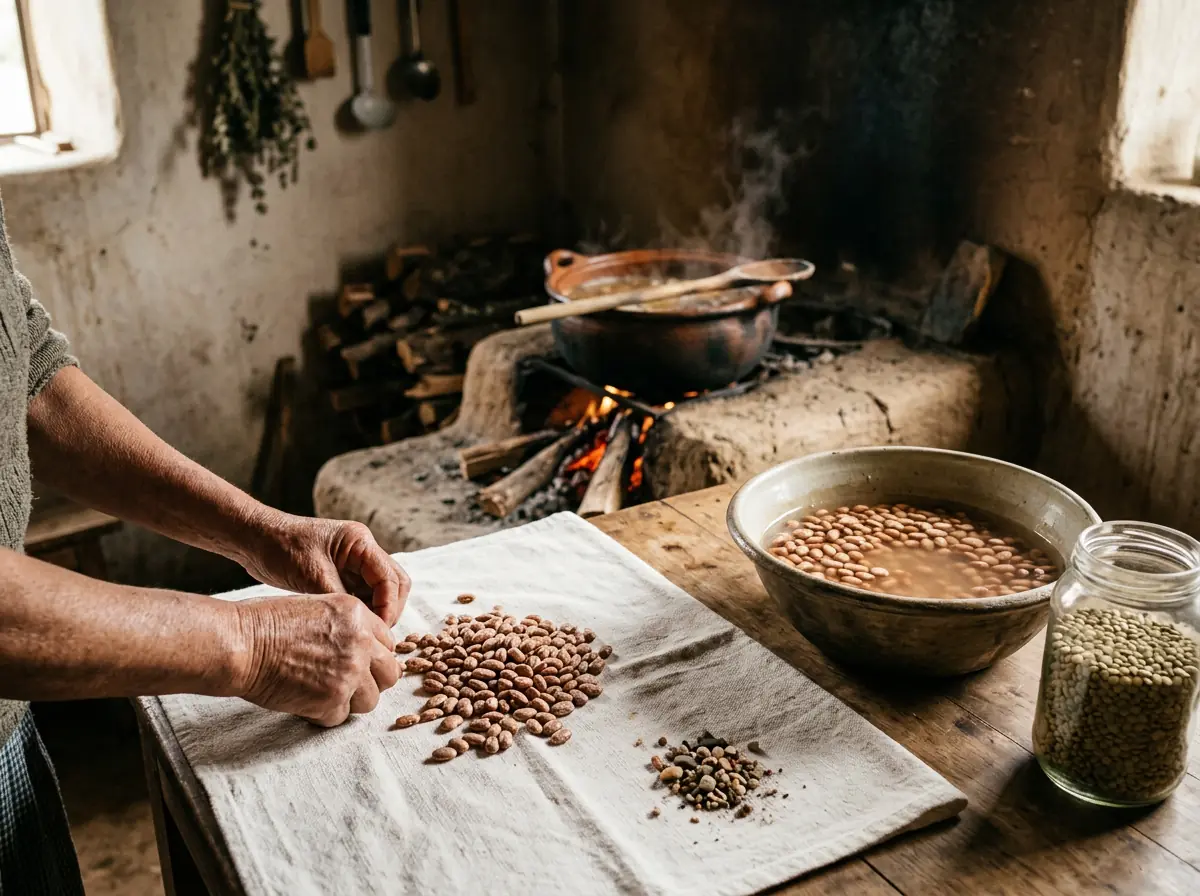
- Sort and rinseSpread the beans on a clean cloth and pick out stones, dirt and damaged or shriveled beans. Rinse them several times with cold water.
- SoakFor every 450 g (1 lb, about 2 cups), 2.4 liters (10 cups) of water, for 6 to 8 hours or overnight; then discard the water. Quick: 1.4 liters (6 cups), boil for 2 to 3 minutes and let stand at least 1 hour. Dry lentils and peas need no soaking.
- Simmer gentlyFresh water (1.4 liters per 450 g; 6 cups per pound): bring to a boil, then lower the heat. Check them after an hour, until they are soft. Black and pinto beans, 1½ to 2 hours; chickpeas, ½ to 1 hour; lentils, 1 hour.
- Salt and acids at the endNo salt, tomato or lemon while they boil: they slow down cooking. Herbs and spices any time.
Large red beans (kidney type): soak them at least 5 hours, discard the water and boil them hard for at least 10 minutes. Raw or undercooked, they cause nausea, vomiting and diarrhea 1 to 3 hours later. Don't cook them in a slow cooker: it doesn't get hot enough to destroy the toxin. Canned beans are already cooked.
Tortillas from corn and from flour
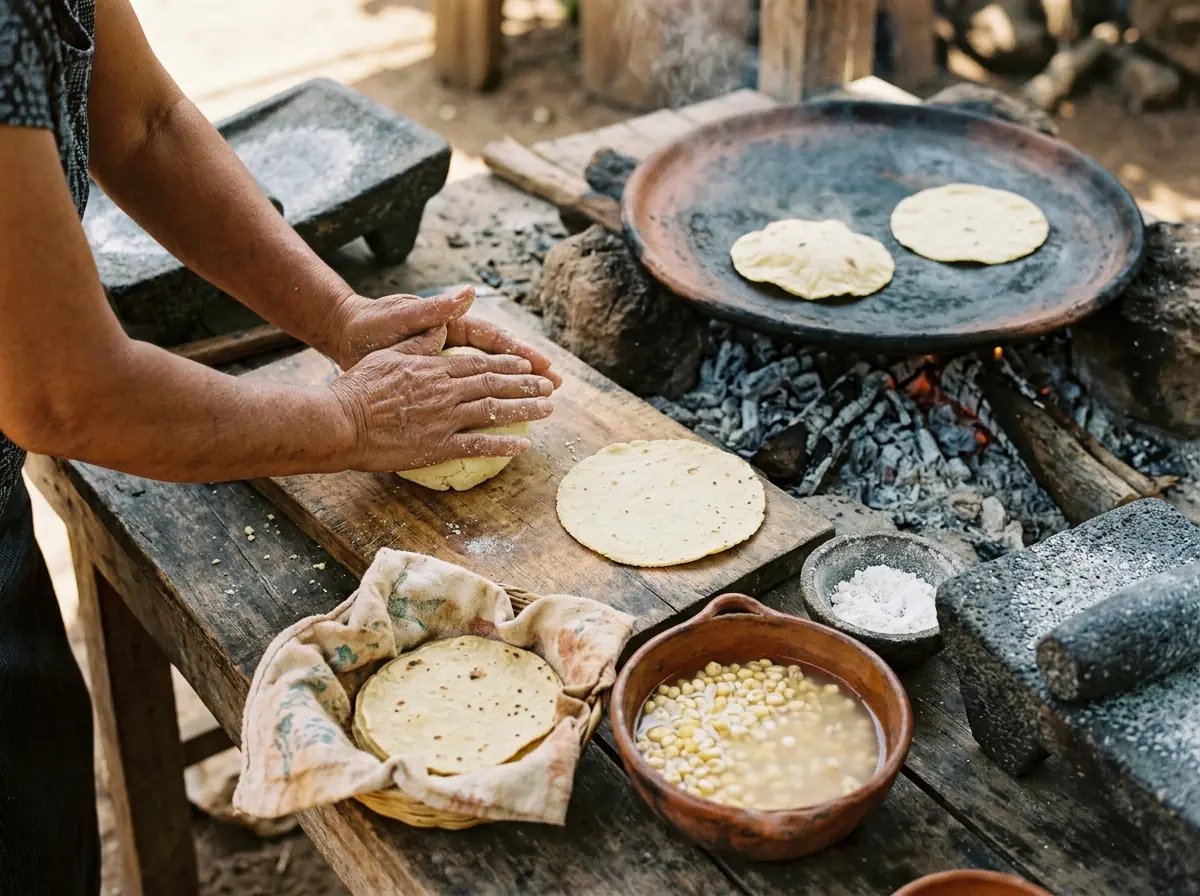
- Besides softening the grain, lime-cooking gives corn much more calcium and is associated with preventing pellagra, the disease of people who eat almost nothing but corn.
- Moist tortillas keep only a short time: eat them the same day.
Lime burns: it irritates and burns eyes and skin, and its dust irritates the lungs. Avoid contact and don't breathe the dust; if it gets in your eyes, rinse them right away, and on your skin, wash immediately with soap and water.
Bread with yeast or sourdough
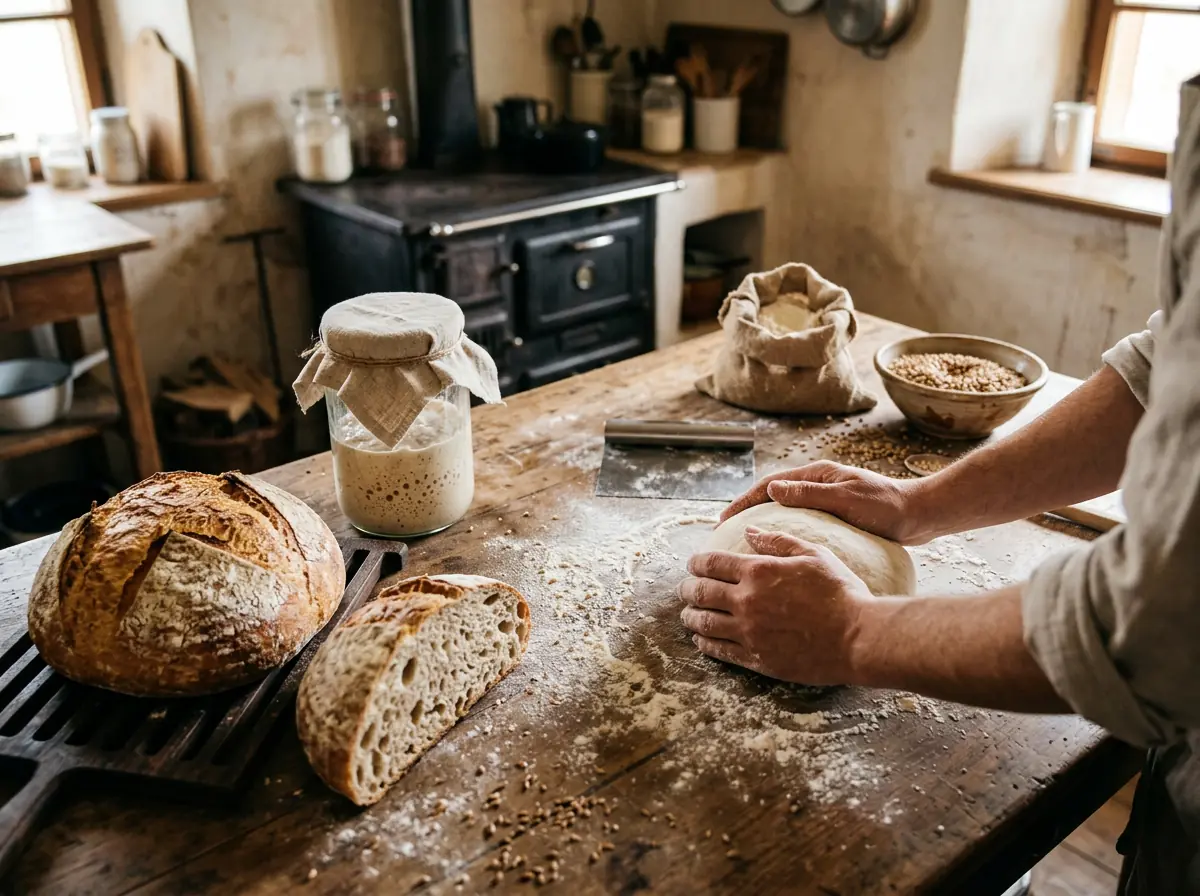
Store wheat as whole grain and grind it when you need it: dry (up to 12% moisture), cool (4 to 16 °C, or 40 to 60 °F) and rotated within 5 years, because over the years it loses its strength to rise.
Don't taste raw dough or flour: flour can carry E. coli and Salmonella, and milling doesn't kill them. Always cook anything made with flour, and wash your hands and clean surfaces afterward.
Check what you already have
0 of 5 · Saved only on this device.
- Cooking red beans raw, half-boiled or in a slow cooker.
- Tasting raw dough or flour.
- Handling lime carelessly or breathing its dust.
Sources: Health Canada · lectins in dry legumes · University of Maine · how to store and cook dried beans · FAO · maize in human nutrition: lime-cooking · FAO · maize in human nutrition: nutrient availability · CDC · calcium hydroxide (NIOSH pocket guide) · Montana State University · flour tortillas (MyPlate) · Utah State University · how to store wheat · University of Kentucky · yeast bread basics · Clemson University · sourdough starter · Colorado State University · sourdough starter best practices · FDA · handling flour safely
Do you remember?
Three questions about this guide. Get all three right to earn its badge. There's no time limit.